Book Signature: A Font for Projects That Demand Elegance
There’s a particular kind of project that needs more than just readable text. It calls for personality, a touch of warmth, and a sense of authentic craft. This is where a font like Book Signature enters the conversation. It’s not just another script typeface; it’s a carefully designed tool that brings a specific, sophisticated mood to your work. The name itself suggests a personal, authoritative mark, and the font delivers exactly that. Its characters flow with a natural, balanced rhythm that feels both personal and polished, making it a versatile asset for a wide range of creative endeavors.
Understanding the Visual Language of Book Signature
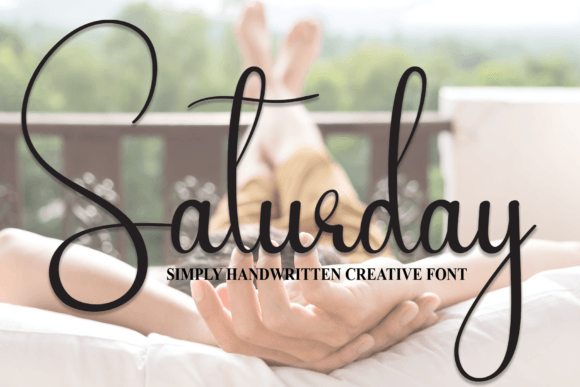
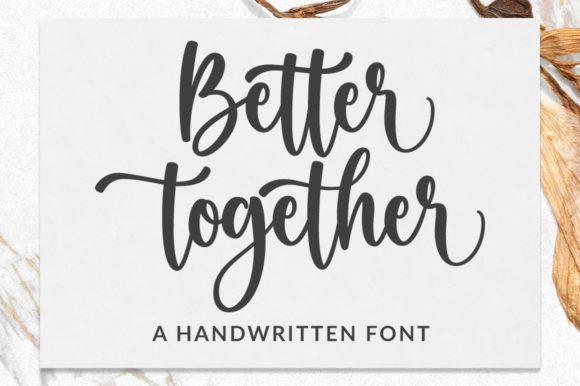
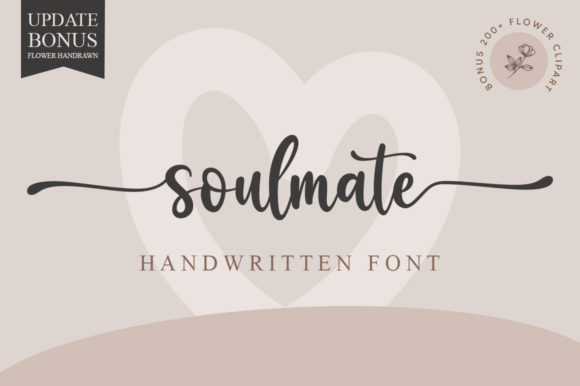
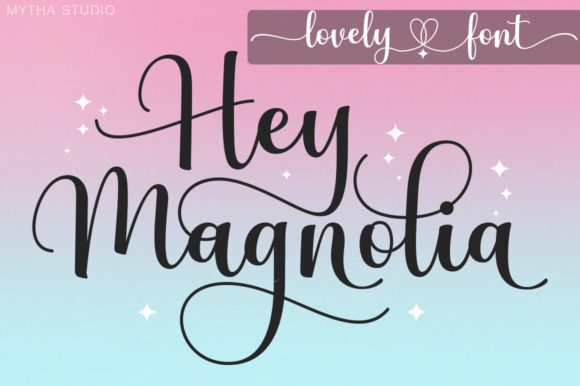
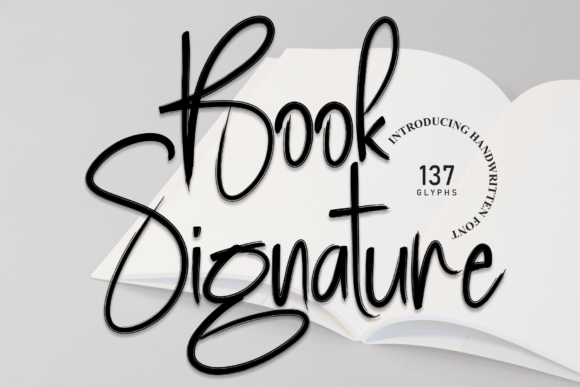
At its core, Book Signature is a delicate, elegant, and flowing handwritten font. But let’s break that down into practical terms. The letterforms are based on a natural pen stroke, yet they avoid the common pitfalls of being too casual or illegible. Each character is crafted with care, resulting in beautiful and well-balanced proportions. This balance is key. It means the font feels handcrafted but not chaotic, personal but not messy. The connections between letters are smooth and intentional, creating a harmonious flow when you type out words or phrases.
The overall personality is one of refined authenticity. It whispers of handwritten notes in a leather-bound journal, of a signature at the bottom of an important letter, or of elegant branding for a boutique business. Unlike some script fonts that can lean heavily towards wedding invitations or overly feminine themes, Book Signature maintains a broader appeal. Its elegance is understated and versatile, capable of feeling luxurious, professional, or deeply personal depending on the context. This makes it a powerful creative font for designers who need a typeface with emotional resonance.
Where Book Signature Truly Shines: Practical Applications
The real test of any premium font is how it performs in the wild. Book Signature’s balanced elegance makes it a standout choice across several key areas of design and communication.
Branding and Logo Design
For logo design, especially for businesses that want to convey trust, craftsmanship, and a personal touch, this font is a strong candidate. Think of a boutique hotel, a high-end florist, a specialty coffee roaster, or a consultant who wants to project approachable expertise. Book Signature can form the core of a brand identity, used for the logo, business cards, and packaging. It immediately sets a tone that is more intimate and memorable than a standard sans serif font or serif font. However, it’s crucial to test it at very small sizes to ensure the signature-like details remain clear.
Publishing and Editorial Design
In editorial design, Book Signature excels as a display font. It’s perfect for chapter titles, pull quotes, or magazine headers where you want to draw the reader in with a bit of stylistic flair. It pairs beautifully with clean, neutral body text fonts. Imagine a cookbook with recipe titles in Book Signature, or a lifestyle magazine with section headers that feel handwritten and personal. For book covers, especially in genres like literary fiction, memoir, or romance, it can evoke a sense of intimacy and story.
Digital Presence and Marketing
Online, where attention is fleeting, a touch of human warmth can be powerful. Book Signature works wonderfully for specific elements in web design, such as a hero section quote, a call-to-action button, or a featured testimonial. It can add personality to a blog header or an email newsletter. In social media graphics, it’s invaluable. For Instagram stories, Pinterest pins, or promotional graphics, using Book Signature for key phrases or names can make your content stop the scroll. It provides a visual contrast to the standard system fonts and generic templates, helping your brand stand out.
Packaging and Physical Products
Packaging design is where tactile and visual appeal merge. A handwritten font like Book Signature can make a product feel artisanal and special. It’s ideal for labels on artisanal foods, cosmetics, stationery, or craft kits. It communicates that care and personal attention went into the product, which can significantly influence a customer’s perception of quality and value.
Making Book Signature Work for You: A Practical Guide
Adopting a new typeface into your toolkit requires a bit of strategy. Here’s how to integrate Book Signature effectively.
Evaluate the Project Fit: Before you choose, ask: Does this project need a human, personal touch? Is the tone elegant, sophisticated, or craft-oriented? If you’re designing a legal document, a technical manual, or a corporate annual report, Book Signature is likely the wrong tool. But if the goal is to connect emotionally, it’s worth serious consideration.
Master the Font Pairing: A handwritten font like this rarely works for long paragraphs. Its strength is in headlines, logos, and short bursts of text. For body copy, pair it with a highly legible serif font or a clean sans serif font. The contrast is what creates a strong visual hierarchy. A good pairing lets Book Signature handle the emotional appeal while the other font ensures effortless readability.
Test for Readability: Always test your chosen text at the actual size it will be used. A beautiful swash on a letter ‘g’ might become a blob when used at 12pt on a website. Check the clarity of difficult letters like ‘a’, ‘e’, ‘s’, and ‘g’ in lowercase. Ensure the spacing (kerning) between common letter pairs looks natural.
Review the Included Assets: A quality commercial font often comes with more than just basic letters. Look for alternates, ligatures, and stylistic sets. These extras allow you to customize the look further, maybe swapping out a swash on a capital letter or creating more fluid connections between specific letters. This level of control is what separates a good design from a great one.
Understand the License: If you’re using this for a client project, a product you sell, or merchandise, you must ensure you have the correct commercial license. Font licensing can be complex, so review it carefully. Using a premium font correctly is part of being a professional and protects both you and your client.
Ultimately, Book Signature is a specialized design asset. It’s not meant to solve every typographic problem. But when used thoughtfully, in the right context, it can elevate a project from ordinary to memorable. It adds a layer of human connection and aesthetic care that resonates with audiences, making it a valuable addition to any designer’s, marketer’s, or creative’s collection. Its ability to influence brand perception and audience engagement through subtle, elegant strokes is its true power.